 English
 German
 Korea
Korea Spanish
China’s Social Media Trinity: Why WeChat, Xiaohongshu, and Douyin Represent Three Different Consumer Behaviors
- On July 16, 2026
- china social marketing
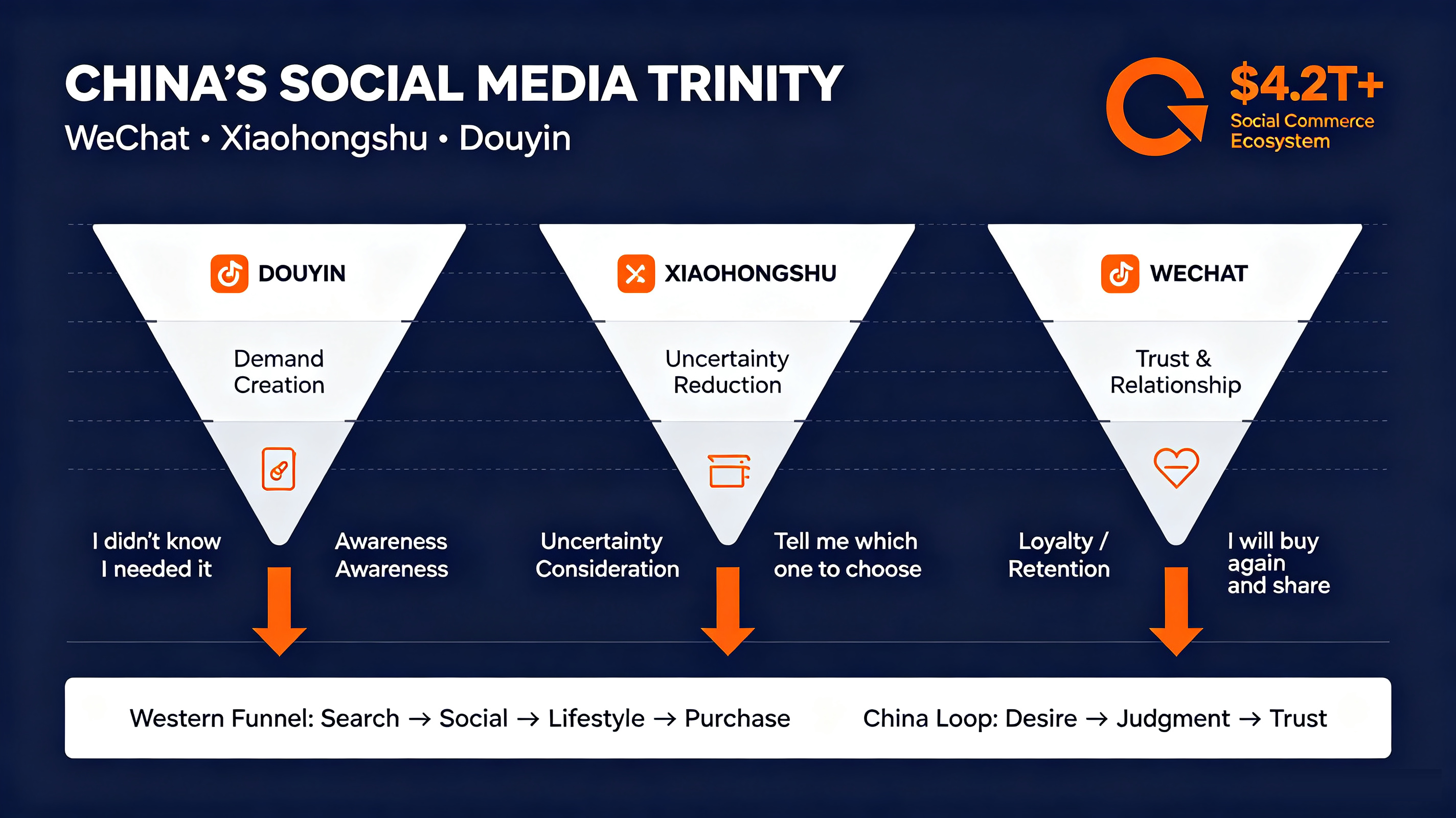
For Western businesses entering the Chinese market, the first and most expensive mistake is seeking direct equivalents.
In the West, the digital marketing funnel has historically followed a relatively linear, compartmentalized pathway of platforms:
Google (Search) ➔ Facebook (Social) ➔ Instagram (Lifestyle) ➔ Amazon (Purchase)
In China, this neat sequence does not exist. There is no single dominant platform, nor is there a direct Western analog for any of them. Instead, the entire consumer journey is distributed across three distinct giants. Together, they form a highly integrated psychological loop:
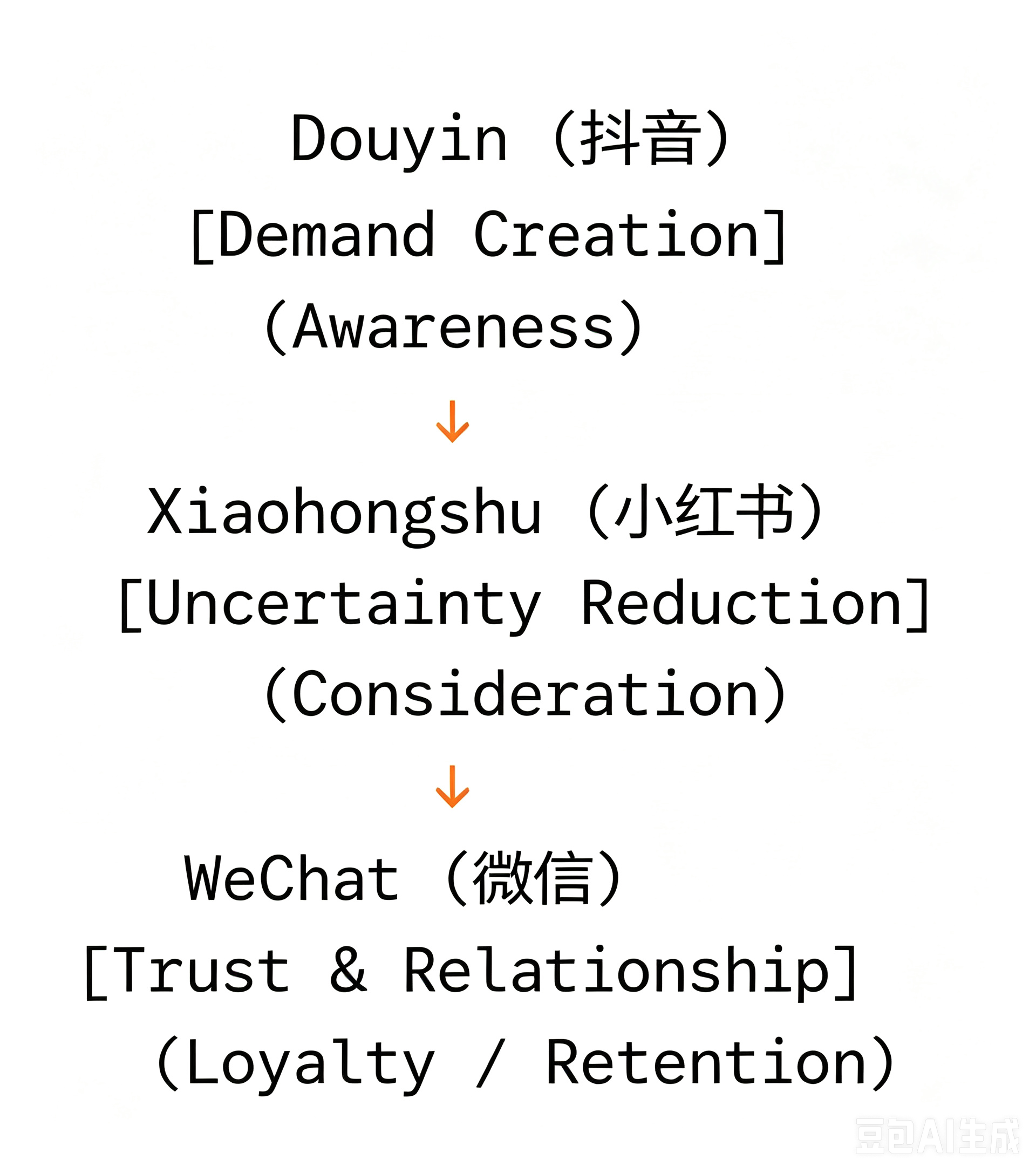
Winning in China’s 2026 digital ecosystem—valued at over $4.2 trillion in social commerce alone—does not mean choosing one of these platforms. It means aligning your marketing with the specific consumer psychology each platform commands.
1. The Biggest Misunderstanding by Western Companies
Many multinational brands enter China with a “replacement mental model,” treating domestic applications as clones of Western social networks. This assumption leads to misallocated budgets, mismatched content, and poor conversion.
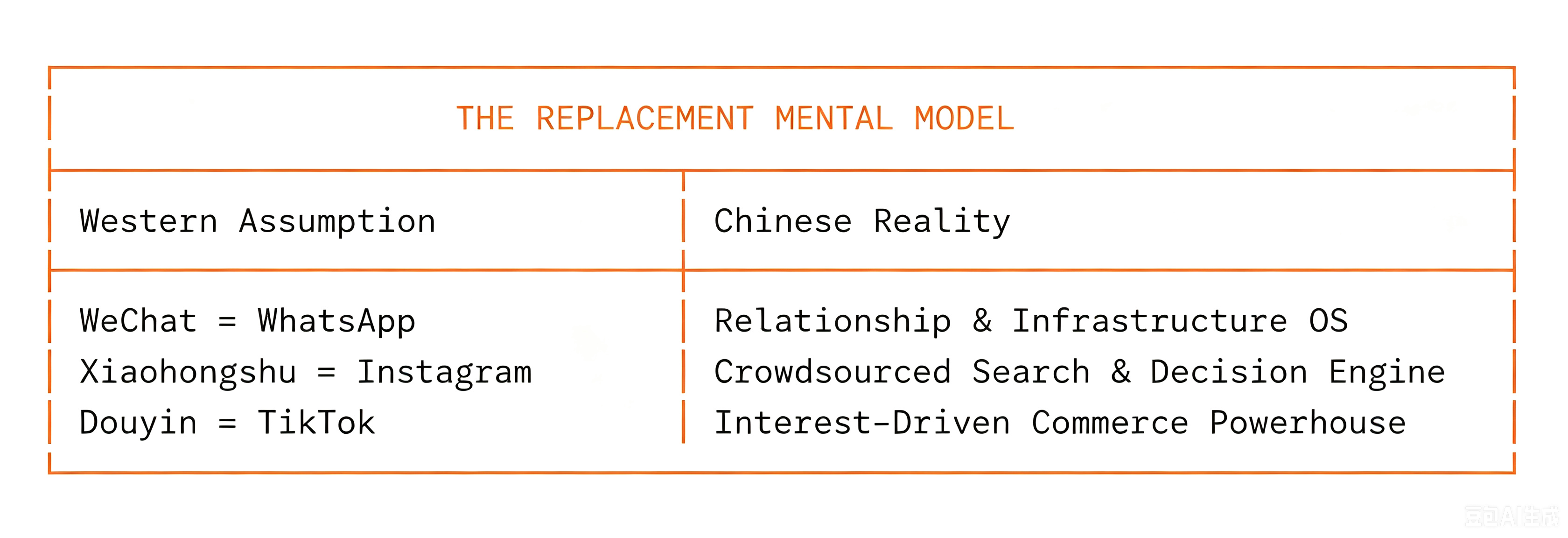
Mistake 1: Treating WeChat as “The Chinese WhatsApp”
WeChat is not merely a communication tool; it is China’s digital relationship infrastructure.
While WhatsApp is a passive chat program, WeChat functions as an operating system. It houses native brand storefronts (Mini Programs), high-fidelity video feeds (Channels), direct customer service (WeCom), and payment processing (WeChat Pay).
WeChat is not where you hunt for cold traffic; it is where you build trust and capture repeat transactions once a connection has already been made.
Mistake 2: Treating Xiaohongshu (RED) as “The Chinese Instagram”
Instagram’s psychological driver is aesthetic exhibitionism—the user intent is “Look at me.”
Xiaohongshu’s psychological driver is practical utility—the user intent is “Tell me what to choose.”
Over 70% of Xiaohongshu’s active users actively use the platform’s search function. They treat it not as a passive lifestyle feed, but as a utility search engine and an open-source consumer review site.
Mistake 3: Treating Douyin as “The Chinese TikTok”
While they share parent company ByteDance and a short-video interface, Douyin operates on a completely different commercial logic.
TikTok remains primarily focused on passive entertainment. Douyin is an active, multi-dimensional search, local life services, and e-commerce machine. On Douyin, the boundary between being entertained and checking out is entirely seamless.
2. WeChat: China’s Trust Infrastructure
WeChat acts as the ultimate CRM and private traffic (私域流量) engine. It is designed to cultivate deep, long-term customer relationships rather than acquire quick, cold leads.
Audience Profile & Intent
WeChat is used by virtually the entire online population of China. However, its high-value business application is concentrated among mid-to-high-income consumers, B2B procurement officers, and enterprise decision-makers who require highly personalized interaction before purchasing.
- Core Value: Trust Retention.
- The Psychological State: “I know who you are, but are you reliable enough for me to buy from you again?”
The Marketing Logic
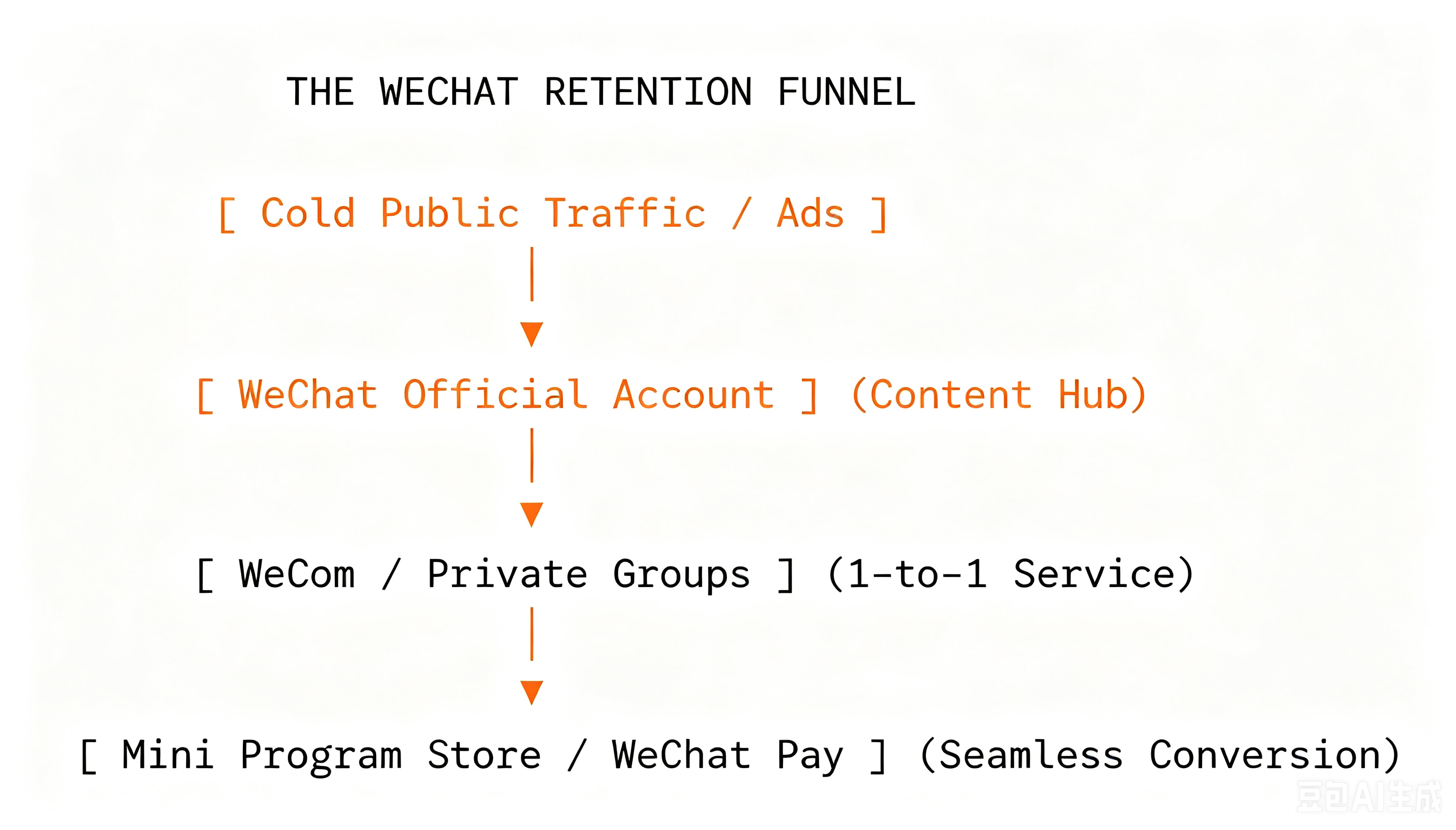
Instead of the western model of “Ad ➔ Landing Page ➔ Checkout,” WeChat marketing operates on an ecosystem-driven loop:
- Discovery: Users find the brand via a shared article, a Video Channel, or an offline QR code.
- Nurturing: The user follows the brand’s Official Account or joins a WeCom (Enterprise WeChat) group.
- Conversion: Personalized customer service shares a Mini Program checkout link.
- Loyalty: Ongoing, direct-to-consumer service and membership perks keep the customer in a recurring loop.
Best-Fit Industries
- B2B Enterprises: High-value fields like industrial machinery, semiconductors, and medical devices depend on deep human-to-human relationships.
- High-Ticket Consumer Services: Real estate, luxury goods, study-abroad agencies, and wealth management, where buying cycles are long and require strong consultative trust.
- Established Brands: International brands with existing footprints who need to increase customer lifetime value (LTV).
3. Xiaohongshu: China’s Decision-Making Engine
Often called “RED,” Xiaohongshu is where Chinese consumers go to validate their purchases and reduce shopping risk.
Audience Profile & Intent
Xiaohongshu’s user base is highly concentrated among urban, affluent, and educated consumers—particularly women—who act as trendsetters in beauty, fashion, travel, and parenting.
- Core Value: Uncertainty Reduction.
- The Psychological State: “I want to buy a product in this category, but which brand actually delivers on its promises?”
The Content Logic
Traditional polished advertising fails on Xiaohongshu. The community values “Gan Huo” (干货 – dry goods)—dense, highly practical, and objective information.
A successful post does not shout about product specifications; it explains real, everyday problem-solving.
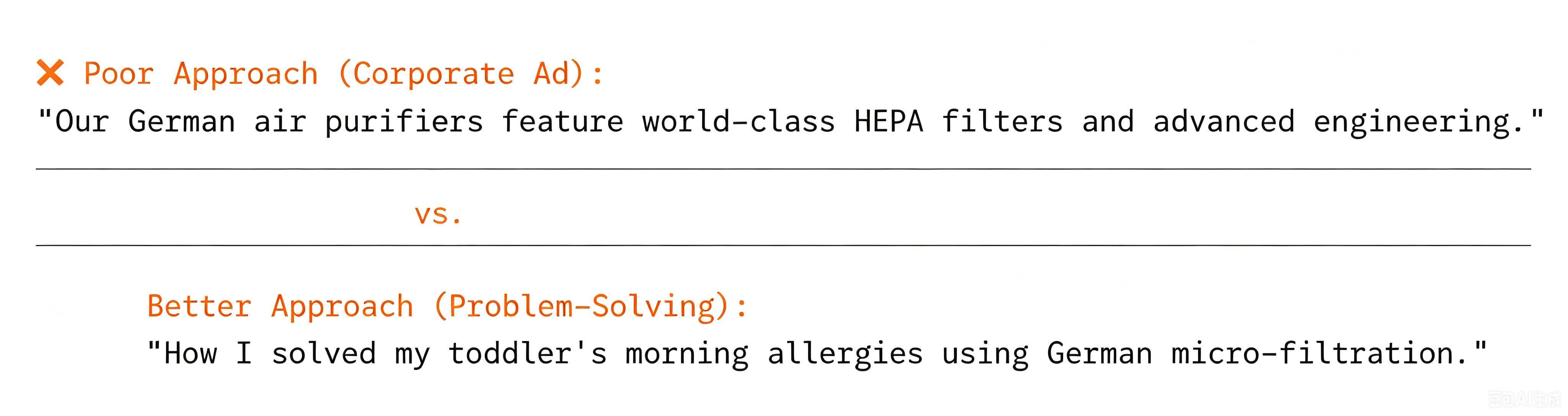
To build credibility, brands seed the platform with a mix of Key Opinion Leaders (KOLs) and a high volume of Key Opinion Consumers (KOCs)—everyday users sharing authentic experiences.
Best-Fit Industries
- Niche & Premium Consumer Brands: Boutique cosmetics, specialty food, pet care, and design-led lifestyle goods.
- Premium Services: High-end travel, medical tourism, and international education.
- Foreign Challengers: Small-to-medium overseas brands that rely on authentic storytelling and specialized expertise rather than massive ad budgets.
4. Douyin: China’s Demand Creation Machine
If Xiaohongshu is where consumers go to research a purchase they are already considering, Douyin is where they go to discover products they didn’t even know existed.
Audience Profile & Intent
Douyin has massive reach across all age groups and regions in China. It captures passive attention and converts it into immediate impulse purchases.
- Core Value: Demand Creation.
- The Psychological State: “I am here to be entertained, but this video is so compelling that I must buy this product right now.”
The Commerce Logic
Traditional search-based commerce (like Google) relies on existing intent. Douyin relies on algorithmic recommendation.
If a user watches a 15-second clip of someone organizing a messy kitchen closet, Douyin’s algorithm registers that interest and instantly serves a live stream selling modular organizers. The user can buy it with two taps without ever leaving the video feed.
Best-Fit Industries
- FMCG & Fast Fashion: Apparel, snacks, cosmetics, and low-to-mid-priced gadgets.
- Visually Striking Products: Goods with immediate visual impact (e.g., color-changing cosmetics, satisfying kitchen gadgets, or dramatic product stress-testing videos).
- New Brand Launches: Brands needing immediate volume and massive, top-of-funnel reach.
5. Three Platforms, Three Consumer Psychologies
To help guide your resource allocation, this table outlines the distinct operational realities of the three giants:
| Metric / Dimension | Xiaohongshu | Douyin | |
| Core Resource | High-trust relationships | Peer recommendations | Scalable viewer attention |
| Consumer State | Already knows your brand | Researching before buying | Browsing for entertainment |
| Primary Goal | Build relationship & drive LTV | Reduce risk & build brand conviction | Stimulate impulsive demand |
| Winning Content | Professional, authoritative | Honest, authentic, practical | High-impact, highly visual |
| Commercial Model | CRM & Private Groups | Community & Search SEO | Algorithmic live commerce |
6. How Global Companies Should Build Their Strategy
To succeed, global marketers must design a cross-platform pipeline that moves consumers seamlessly from one psychological state to another.
The Decision Model
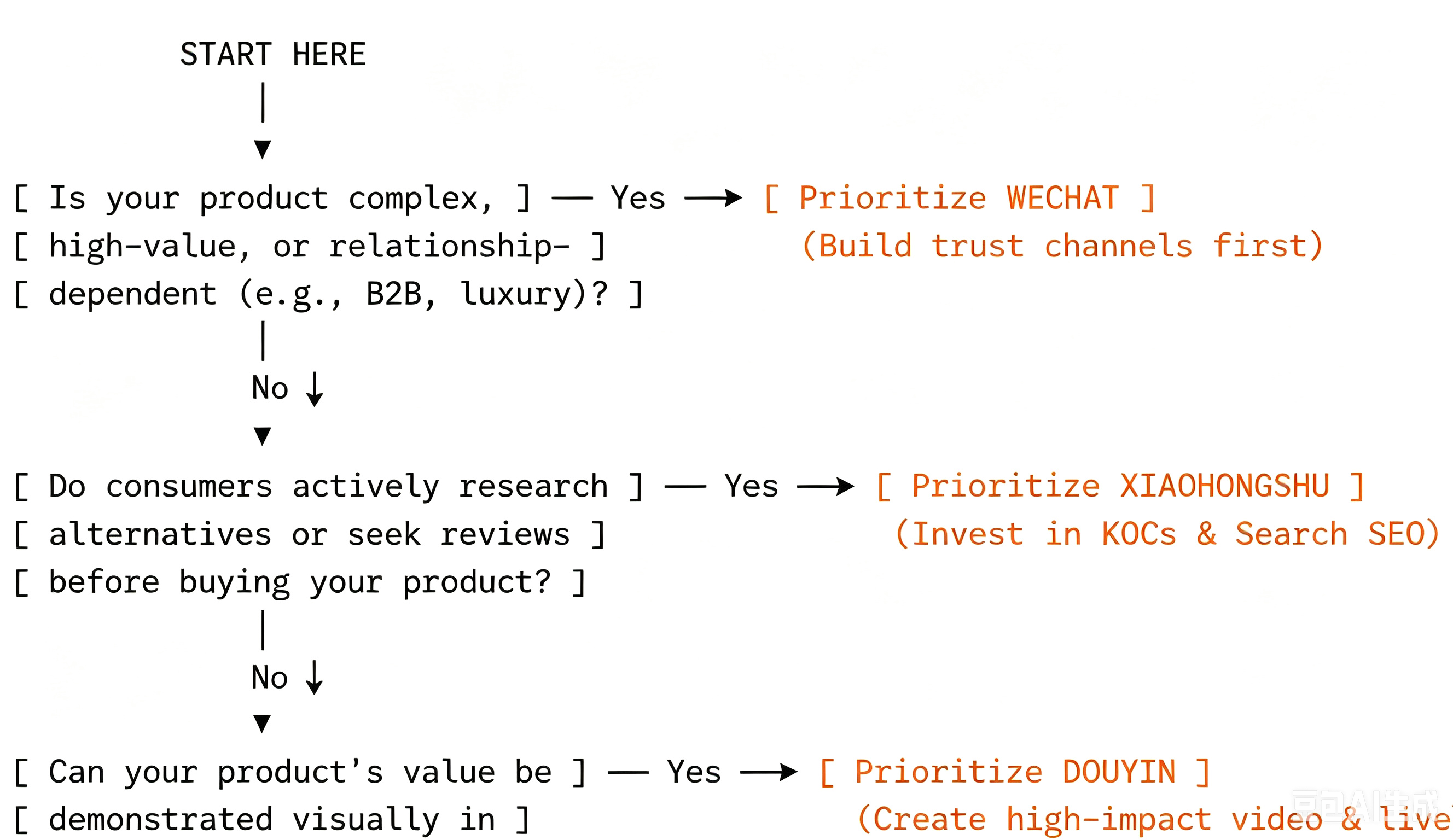
An Integrated Case Study: A Premium European Cookware Brand
Rather than running isolated campaigns, a successful brand coordinates all three platforms to guide consumers through the complete decision journey:
- Step 1 (Douyin – The Hook): The brand launches short, highly aesthetic videos of a famous chef making a soufflé using their non-stick copper pan. The video highlights how easily the food slides off. This creates immediate interest and demand among viewers.
- Step 2 (Xiaohongshu – The Proof): Intrigued users open Xiaohongshu to search: “Are copper pans hard to clean?” or “Is [Brand Name] worth the price?” They find dozens of unsponsored, highly detailed reviews from home cooks showing the pan in real, unpolished kitchens. This social proof reduces their purchase anxiety and validates the premium price point.
- Step 3 (WeChat – The Relationship): The user scans a QR code to join the brand’s WeChat VIP club to redeem a first-time buyer warranty. Through WeChat, they receive personalized recipe guides, invitations to offline cooking classes, and direct customer support. This turns a one-time purchaser into a loyal advocate who repurchases accessories and refers friends.
The Future of China Marketing: Trust Architecture
Modern marketing in China is no longer about simply buying cheap traffic. In a mature, highly competitive e-commerce landscape where customer acquisition costs (CAC) continue to rise, long-term success is built on owning the consumer’s complete psychological journey:
- Douyin commands their desire.
- Xiaohongshu guides their judgment.
- WeChat secures their trust.
Brands that understand how to connect these touchpoints will build an enduring brand presence in China, rather than just renting temporary attention.
 Unlock 2026's China Digital Marketing Mastery!